Introduction to automatic bottle capping machines
In the fast-paced world of manufacturing and packaging, efficiency is key. One often-overlooked hero in this realm is the automatic bottle capping machine. These ingenious machines streamline the bottling process, ensuring that your products are sealed securely and ready for distribution. Whether you’re a small business owner looking to scale up or a large company aiming to optimize production lines, understanding how these machines work can be a game changer.
Imagine turning hours of manual labor into minutes of automated precision. That’s the promise of an automatic bottle capping machine. With various options available on the market, finding one that meets your specific needs could revolutionize your operations—saving time, reducing costs, and enhancing product quality. Let’s dive deeper into what makes these machines essential tools for modern businesses and explore some top picks in this exciting arena!
Benefits of using an automatic bottle capping machine
Using an automatic bottle capping machine can significantly enhance your production efficiency. With the ability to cap bottles at a rapid pace, businesses can meet high demand without sacrificing quality.
These machines also minimize human error. By automating the capping process, you ensure consistency in seal integrity, which is crucial for product safety and shelf life.
Another key benefit lies in labor savings. Businesses reduce their reliance on manual labor, allowing staff to focus on other essential tasks within the production line. This not only boosts productivity but also decreases operational costs over time.
Furthermore, automatic capping machines are designed for versatility. They accommodate various bottle sizes and types, making them suitable for diverse industries—from beverages to pharmaceuticals.
These machines often come equipped with advanced technology that allows real-time monitoring and adjustment of the capping process. This ensures optimal performance and reduces downtime during operations.
Top 5 automatic bottle capping machines on the market
When it comes to efficiency, these top 5 automatic bottle capping machines stand out.
First up is the Accutek ACO-100. Known for its versatility, it handles various cap sizes effortlessly.
Next on the list is the Capmatic Cappers. This machine offers high-speed performance and is perfect for large production runs.
The All-Fill CAP-1000 excels in accuracy with its advanced technology, ensuring each cap fits securely every time.
For those seeking a compact solution, check out the Inline Filling Systems’ BCS series. It’s designed for smaller operations without compromising on quality.
Last but not least, there’s the E-PAK Machinery Automatic Capper. Its user-friendly interface makes setup a breeze while maintaining consistent output rates.
Each of these machines caters to different needs and budgets, making them valuable assets in any bottling operation.
Customer reviews and ratings
When it comes to automatic bottle capping machines, customer feedback is invaluable. Users often praise the efficiency and precision these machines bring to their production lines.
Many highlight how they’ve seen a dramatic reduction in bottling time. This improvement allowed businesses to scale operations without sacrificing quality.
Some reviews express appreciation for the user-friendly interfaces that make setup and adjustments simple, even for those new to automation.
However, there are also mentions of specific models having quirks or requiring occasional fine-tuning. It’s important for potential buyers to read multiple perspectives before making a decision.
Ratings tend to vary widely based on brand reliability and after-sales support, so researching experiences can guide you toward the best option for your needs. Customer reviews not only shed light on performance but also provide insights into long-term ownership satisfaction.
Additional features and customization options
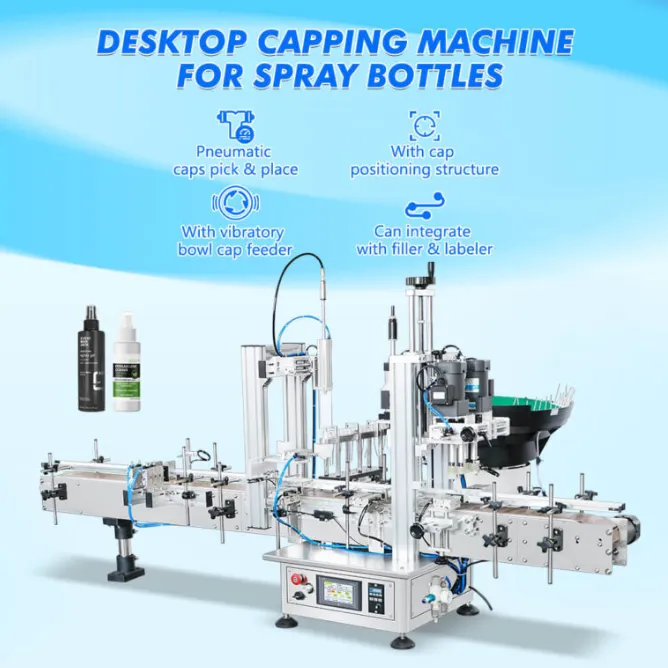
When exploring automatic bottle capping machine, consider the range of additional features that can enhance efficiency. Some models come equipped with adjustable speed settings, allowing operators to modify cap application rates based on production needs.
Customizable options are also available. For instance, you might find machines that accommodate different cap sizes and materials. This versatility ensures compatibility across various products without needing multiple devices.
Smart technology integration is another exciting feature. Many modern machines offer digital controls for easy programming and monitoring. You can track performance metrics in real time, leading to improved operational insights.
Furthermore, certain models allow for photocell or sensor detection systems. These systems ensure precise alignment of bottles before capping occurs, reducing errors and waste during production runs.
With these features at your disposal, it’s easier than ever to tailor a machine to fit specific production requirements seamlessly.
Maintenance and upkeep of automatic bottle capping machines
Regular maintenance is crucial for the optimal performance of automatic bottle capping machines. This involves routine checks to ensure all parts are functioning smoothly.
Start by inspecting the capping head and other moving components. Dust, debris, or residue can hinder operation and affect cap integrity. A quick clean with a soft cloth can do wonders.
Lubrication is equally important. Apply appropriate lubricants to moving parts as specified in the manufacturer’s manual. This reduces friction and prolongs machine life.
Don’t forget about electrical connections and sensors. Ensure they are secure and free from corrosion or damage.
Follow a scheduled maintenance plan based on usage frequency. Keeping accurate records helps track potential issues before they escalate into costly repairs. Regular upkeep not only enhances efficiency but also ensures quality control in your production line.
Cost comparison with manual capping methods
When considering the investment in an automatic bottle capping machine, it is essential to evaluate the cost compared to traditional manual methods. Manual capping can seem more budget-friendly at first glance, especially for small-scale operations. However, as production demands increase, the limitations of manual processes become apparent.
Manual capping requires a significant amount of labor time. Employees must dedicate their efforts to seal each bottle individually, which can lead to increased labor costs over time. Additionally, there’s always the risk of human error that may result in improperly sealed bottles—leading to potential product spoilage or customer dissatisfaction.
On the other hand, automatic bottle capping machines offer efficiency and precision. They significantly reduce labor requirements by automating the sealing process. This means fewer employees are needed on-site for bottling tasks; thus lowering ongoing payroll expenses.
Furthermore, these machines tend to have faster output rates than manual methods. The quicker you cap your products, the sooner they’re ready for market distribution—which can lead to enhanced revenue generation over time.
While purchasing an automatic bottle capping machine involves a higher initial investment, consider it a long-term solution that streamlines production and improves overall quality control. When calculating total operational costs—including labor savings and reduced product losses—the benefits quickly add up.
For companies aiming for growth or those already handling large volumes of production, investing in an automatic bottle capping machine is likely not just beneficial but necessary for staying competitive in today’s fast-paced market landscape.

At RomanticPickups.com, Addison focuses on crafting clever, funny, and creative pickup lines, along with guides that explain trending internet phrases, texting slang, and romantic expressions used in modern conversations. Their writing blends lighthearted humor with practical advice, making it easy for readers to find the perfect line for any situation.