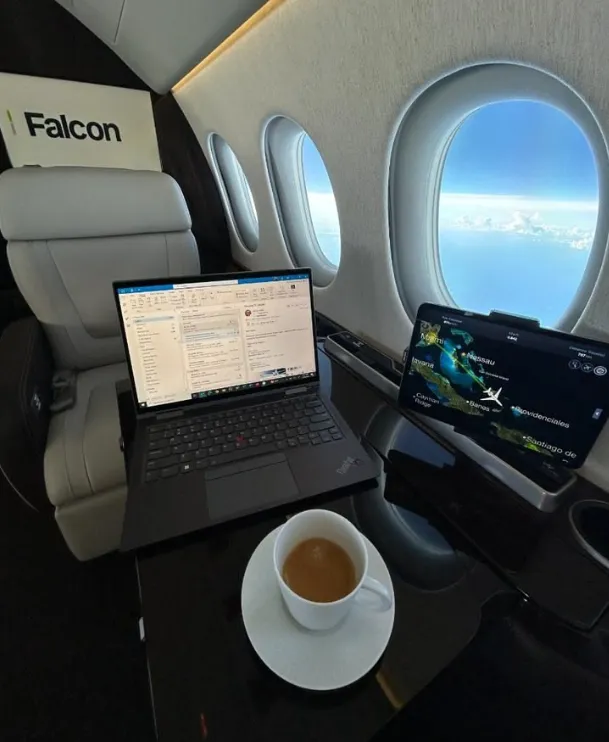
A few years ago, I used to think that a successful business trip was simply about reaching the destination, attending meetings, and returning home without major issues. However, after watching how corporate travel has evolved, I’ve realized that modern business travel is much more complex than that. Today, companies expect every business trip to contribute to growth, productivity, and stronger business relationships. At the same time, travelers expect convenience, flexibility, and a smoother experience. In my view, the most successful business trips happen when organizations focus on planning every stage of the journey rather than just booking flights and hotels. The reality is that even a small travel disruption can affect meeting schedules, client impressions, and overall productivity. That is why businesses are becoming more strategic about how they manage employee travel.
The Biggest Mistake Companies Still Make
One thing I continue to see is businesses treating travel as an administrative task instead of a business investment. When planning is rushed, employees often end up with inconvenient flight schedules, long airport waits, and hotels that are far from meeting locations. On paper, these decisions may appear cost-effective, but they frequently create hidden expenses. For example, a traveler who arrives exhausted after a complicated journey may not perform well during important negotiations. In my experience, the cost of reduced productivity can be much higher than the money saved on bookings. A successful business trip begins with understanding that travel decisions directly influence business outcomes.
Planning Around Objectives Instead of Logistics
Whenever I look at effective corporate travel programs, I notice that successful companies start with the purpose of the trip. Before booking anything, they ask questions such as:
- What is the goal of this journey?
- Who needs to attend?
- What outcomes are expected?
- How much flexibility is required?
By focusing on objectives first, organizations can make smarter travel decisions. A sales-focused business trip may require maximum schedule flexibility, while a conference trip might prioritize location and convenience. Understanding the purpose helps create a more efficient travel plan.
Why Location Can Influence Results
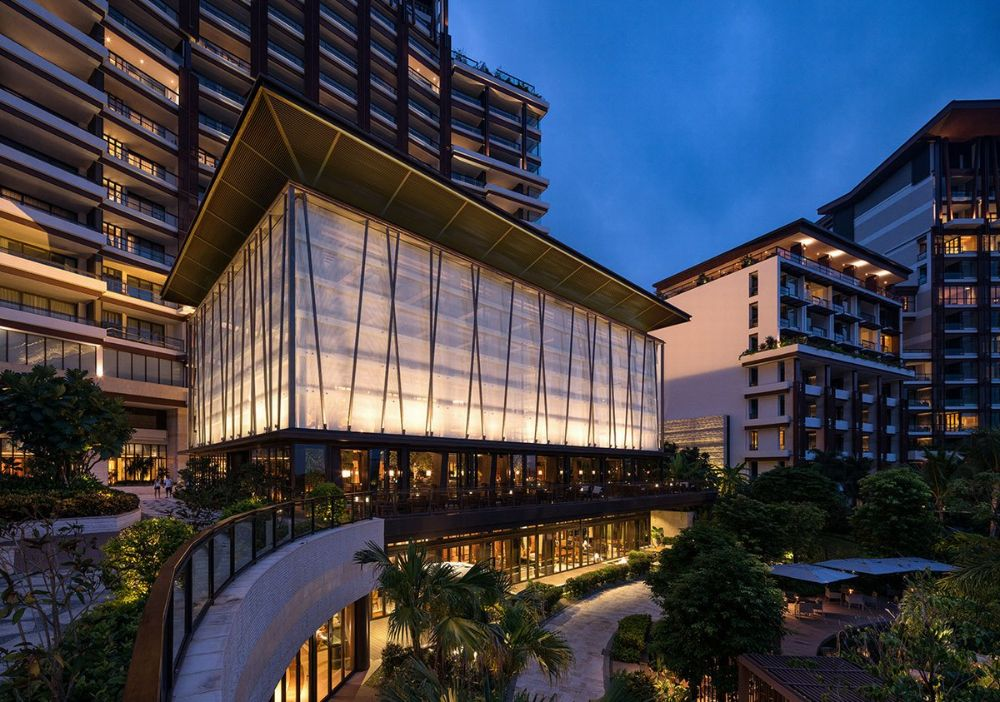
Accommodation choices often receive less attention than flights, yet I believe they play a major role in travel success. A well-located hotel can save hours throughout a trip by reducing transportation time and making meetings easier to attend. It can also provide travelers with a more comfortable environment to prepare for presentations or recover after busy days. For travelers visiting Sanya, properties such as Grand Hyatt Haitang Bay are often considered because they combine professional facilities with a location that supports both work and relaxation. While every company has different travel priorities, I’ve noticed that accommodation quality often influences the overall travel experience more than many organizations expect.
Business Travel Is Becoming More Employee-Focused
One major change I’ve observed is the growing focus on traveler well-being. In the past, companies often prioritized cost above everything else. Today, many organizations recognize that employee experience affects performance. Modern travelers appreciate:
- Flexible booking options
- Comfortable accommodations
- Reasonable flight schedules
- Simplified expense processes
- Reliable transportation
When employees feel supported during a business trip, they are often more productive and more engaged with their work. This shift is encouraging companies to create travel programs that balance financial responsibility with traveler satisfaction.
The Importance of Having a Backup Plan
No matter how carefully a trip is planned, unexpected situations can occur. Weather delays, flight cancellations, schedule changes, and transportation issues remain common challenges. One lesson I have learned is that contingency planning is just as important as the original itinerary. Organizations that prepare alternative options can respond much faster when disruptions happen. This reduces stress for travelers and minimizes the impact on business activities. A flexible travel strategy often makes the difference between a minor inconvenience and a major operational problem.
How Technology Has Changed Travel Management
Another area that has improved dramatically is travel technology. I remember when travel planning involved multiple websites, endless emails, and manual approval processes. Today, companies are moving toward integrated platforms that simplify the entire experience. Modern systems help manage:
- Flight reservations
- Hotel bookings
- Travel approvals
- Expense reporting
- Policy compliance
- Traveler tracking
Platforms such as Trip.Biz support this approach by helping businesses centralize travel management instead of relying on disconnected tools. This not only improves efficiency but also gives organizations greater visibility into travel spending and traveler activity.
Cost Management Requires Better Data
Many companies still focus heavily on reducing travel expenses, but I believe smarter spending is often more valuable than simply spending less. Without reliable data, organizations struggle to understand where money is being wasted. Modern reporting tools help businesses identify:
- Frequently traveled routes
- Booking trends
- Policy exceptions
- Supplier performance
- Cost-saving opportunities
These insights allow companies to optimize future travel decisions and create more effective travel policies. A well-managed business trip should deliver value, not just minimize expenses.
Building Stronger Business Relationships
One reason business travel remains important despite advances in virtual communication is relationship building. Video meetings are convenient, but certain conversations benefit from being held face to face. I’ve seen partnerships strengthen, negotiations progress faster, and teams collaborate more effectively when people meet in person. Business travel creates opportunities for meaningful interactions that are difficult to replicate online. Whether professionals stay at destinations such as grand hyatt haitang bay or other business-friendly properties, that is why many organizations continue investing in strategic travel despite the growth of remote work.
Looking Ahead
As I look at current trends, I believe business travel will become even more focused on efficiency, flexibility, and measurable results. Organizations are increasingly using technology, analytics, and centralized travel management systems to improve outcomes while maintaining budget control. At the same time, traveler experience will continue gaining importance as companies recognize the connection between employee well-being and business performance. The future of the business trip is not about traveling more. It is about traveling smarter.
Conclusion
A successful business trip in 2026 requires much more than booking transportation and accommodation. It involves thoughtful planning, clear objectives, traveler support, and the ability to adapt when circumstances change. From my perspective, the organizations achieving the best results are those that treat travel as a strategic business tool rather than a routine operational task. By focusing on traveler experience, leveraging technology such as Trip.Biz, and making data-driven decisions, companies can maximize the value of every journey. As corporate travel continues evolving, smarter planning will remain one of the most effective ways to improve productivity, strengthen relationships, and support long-term business growth.
FAQs
Why is a business trip still important in 2026?
Business trips remain valuable for relationship building, client meetings, negotiations, team collaboration, and strategic business development.
What makes a business trip successful?
Clear objectives, efficient planning, comfortable travel arrangements, and flexibility during disruptions all contribute to successful outcomes.
Why is hotel selection important for business travelers?
A well-located and comfortable hotel can improve productivity, reduce travel stress, and make meetings easier to attend.
How does Trip.Biz help businesses manage travel?
Trip.Biz helps organizations streamline travel planning, bookings, approvals, and travel management processes through a centralized platform.
What is the biggest trend in business travel today?
One of the biggest trends is the shift toward purpose-driven travel, where companies focus on maximizing the value and outcomes of every trip.

At RomanticPickups.com, Addison focuses on crafting clever, funny, and creative pickup lines, along with guides that explain trending internet phrases, texting slang, and romantic expressions used in modern conversations. Their writing blends lighthearted humor with practical advice, making it easy for readers to find the perfect line for any situation.


