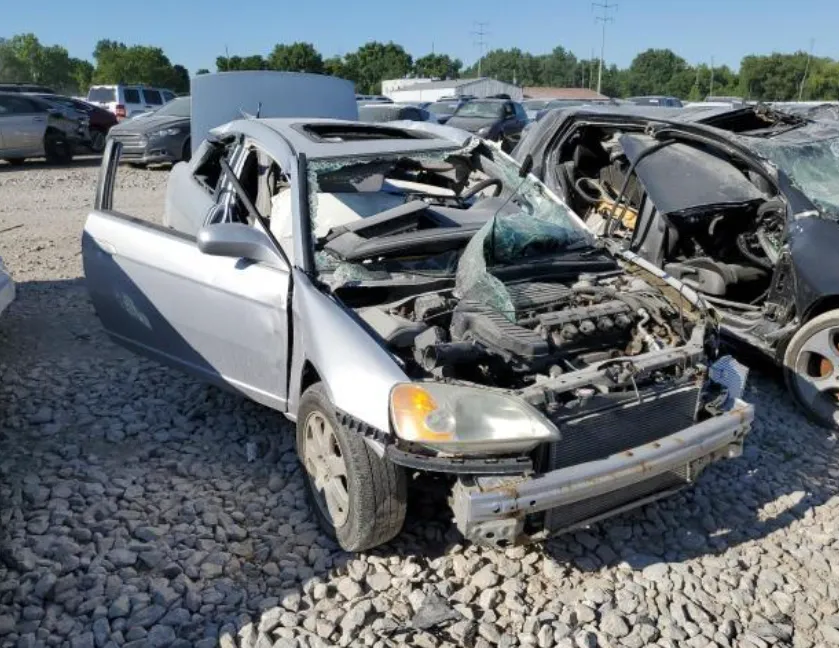
Millions of drivers across the country are at risk due to defective airbags linked to serious injuries and fatalities. From older vehicles with exploding Takata inflators to newer minivans with unexpected deployment, the scope of the Honda airbag recall spans decades of models and affects multiple manufacturers.
Understanding the risks, how to check your vehicle, and what legal options are available could save your life or protect your rights after an injury.
The Scope of the Airbag Recall Crisis
Takata Inflators: A Nationwide Problem
The Takata airbag recall is one of the largest automotive safety campaigns in history. Roughly 67 million Takata airbag inflators have been recalled across multiple automakers, including Honda, Acura, GM, Chevrolet, GMC, Dodge, Chrysler, Jeep, and SAAB.
Honda and Acura account for tens of millions of the affected units, primarily covering model years 2001 through 2016. The defect stems from Takata’s use of ammonium nitrate-based inflators, which degrade when exposed to prolonged heat and humidity. When the airbag deploys in a crash, the deteriorated propellant can burn too rapidly, rupturing the metal inflator housing and sending sharp metal fragments into the vehicle cabin.
Which Honda and Acura Models Are Affected
The airbag recall covers a wide range of popular vehicles. Affected Honda models from 2001 to 2016 include the Civic, Accord, CR-V, Pilot, Fit, Odyssey, Insight, HR-V, and Ridgeline. Affected Acura models from the same era include the TL, TSX, MDX, RDX, and ILX.
Multiple deaths and hundreds of injuries in the United States have been linked to Takata airbags, and a significant portion of those incidents involve Honda vehicles specifically.
The 2018 to 2022 Honda Odyssey Recall
A Newer, Separate Safety Issue
Beyond Takata, a separate airbag recall affects approximately 440,000 Honda Odyssey minivans from model years 2018 through 2022. This recall involves overly sensitive airbag control software that can trigger unexpected deployment of the side curtain airbags.
The airbag can deploy when a driver hits a pothole, speed bump, or road debris. These are ordinary driving situations where airbag activation should never occur, particularly when passengers are present.
Injuries and the Remedy
This issue has been linked to at least 25 reported injuries, including head, neck, and upper-body trauma. The remedy for this recall typically involves a software update or replacement of the airbag control unit, and the repair is completely free through authorized Honda dealers.
How to Check Your Vehicle and Take Action
Steps to Take Right Now
Owners of potentially affected vehicles do not need to wait for a recall notice in the mail. You can act immediately by following these steps:
Stop driving if you have received a “Do Not Drive” or “Park Outside” notice from a dealership, manufacturer, or the National Highway Traffic Safety Administration (NHTSA). Look up your 17-digit Vehicle Identification Number (VIN) on the NHTSA recall website or Honda’s official website to check your recall status. Contact Honda customer service or your local authorized dealer to schedule a free repair, which typically takes about one hour. Request a loaner car or alternate transportation if your vehicle is deemed unsafe to drive while you wait for replacement parts.
Warning Signs of a Defective Airbag
Defective airbags pose two distinct dangers: some fail to deploy during a crash, while others deploy when they should not. Watch for the following warning signs:
An airbag warning light that stays illuminated on the dashboard is a red flag that should never be ignored. An airbag that deploys during a minor bump or without any impact is a serious safety threat. In older Honda vehicles with Takata inflators, a loud shot and the presence of metal fragments following deployment indicate a rupture has occurred.
Children and smaller adults face particular risk because of their seating positions relative to the force and shrapnel an exploding inflator can generate.
Your Legal Rights After an Airbag Injury
Two Scenarios That May Give Rise to a Claim
Whether your vehicle is a Honda, Acura, Chevrolet Silverado, GMC Sierra, Jeep, Dodge, or Chrysler, the same core legal principles apply. There are two primary scenarios where a personal injury claim may be appropriate.
In the first scenario, another driver causes a collision through negligence such as speeding, distracted driving, or impairment, while a defective airbag simultaneously deploys improperly or explodes, causing injuries far worse than a functioning airbag would have caused. In these cases, injured victims may have claims against both the negligent driver and the vehicle manufacturer.
In the second scenario, the airbag defect itself causes injury without any significant crash involved. The airbag may deploy from a simple pothole, releasing shrapnel or impact force that injures the driver or passengers directly.
Compensation You May Be Entitled To
Victims injured by faulty airbags may be entitled to seek compensation for a wide range of damages. These include medical bills and future medical care, lost wages and reduced earning capacity, pain and suffering, disfigurement and scarring, and wrongful death damages if a loved one was killed.
Typical injuries associated with defective airbag deployment include severe facial lacerations, eye injuries and permanent vision loss, broken facial bones, neck wounds, chest trauma, and serious burns.
How an Experienced Attorney Can Help
Pursuing a claim against a large automaker or component supplier is a complex legal undertaking that requires skill, resources, and industry knowledge. An experienced car accident attorney provides critical support at every stage of the process.
An attorney will investigate whether your vehicle was part of a known airbag recall and determine whether the defect contributed to your injuries. They will gather documentation, including recall records, dealer service history, and expert analysis of the airbag system. They will also identify all potentially liable parties, including the vehicle manufacturer, parts suppliers, other drivers, and employers.
Proving an airbag safety defect often requires expert testimony and careful preservation of the airbag module and inflator as physical evidence. The best personal injury law firms will know how to secure and protect that evidence before it is lost or destroyed.
Time is a critical factor in these cases. Personal injury claims are subject to a statute of limitations, and delaying beyond that window can permanently eliminate your right to seek compensation, regardless of how strong your case may be. If you or a family member were harmed by a defective airbag, consulting with an attorney as soon as possible is the most important step you can take.

At RomanticPickups.com, Addison focuses on crafting clever, funny, and creative pickup lines, along with guides that explain trending internet phrases, texting slang, and romantic expressions used in modern conversations. Their writing blends lighthearted humor with practical advice, making it easy for readers to find the perfect line for any situation.
